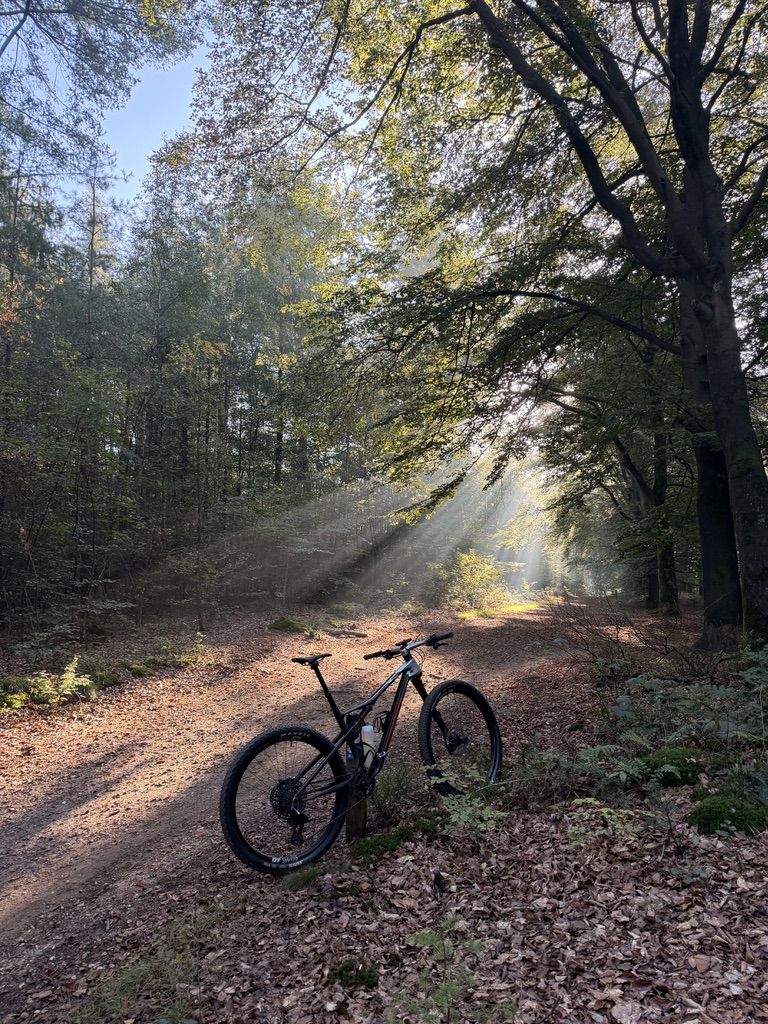
I ride a 2026 Cannondale Scalpel 1. A bike with a story: an American brand known since 1971 for its idiosyncratic engineering. That is why I read this week’s news with extra interest.
On 21 October, Cannondale announced that its office in Wilton, Connecticut, will close by mid-2027 at the latest, with the loss of 143 jobs. Woudenberg, currently the European headquarters, becomes the global headquarters, home to leadership, brand and marketing, and product management. Research and engineering stay in Freiburg, Germany. For dealers and riders in North America, a new office will open on the West Coast.
Two announcements, one direction
This news does not stand alone. In June, Pon.Bike announced that the Cannondale factory in Almelo will close at the end of 2027, affecting 120 employees. Assembly will move step by step to other factories in the group, including Emstek in Germany and Kėdainiai in Lithuania. According to Pon.Bike, Almelo, which assembled only Cannondale bikes, no longer fitted a network of factories that build several brands. On top of that, the mountain bike team Cannondale Factory Racing will stop after this season.
For the Netherlands the picture is mixed. The headquarters comes here, but production leaves.
The logic of multibrand
Pon.Bike owns more than twenty bicycle brands, including Gazelle, Cannondale, Cervélo, Santa Cruz, Urban Arrow and Veloretti. Since 2025 the group has followed a multibrand strategy: production, purchasing, logistics and sales are increasingly shared between brands.
Economically, that makes sense. In a market with falling volumes and high inventories, every euro of scale advantage counts. A factory that can build several brands is easier to keep busy than a factory for one.
The risk: a brand is more than a logo
The flip side is that a brand can lose its own story. Cannondale grew big by going its own way: aluminium frames when others stuck with steel, the Lefty fork, and a strong bond with racing. Riders buy that character. As development, production and sales are shared more and more, the group has to consciously protect what makes Cannondale different from the other brands in the family.
As a Scalpel rider, I find the end of Factory Racing the most telling sign. Cross-country is exactly where Cannondale built its reputation.
What this means for dealers
For dealers there are opportunities. One supplier with several brands can make purchasing, warranty and service simpler. Pon.Bike says deliveries to dealers will continue as normal during the transition.
At the same time, it is wise to ask questions. Who will be your contact? Will marketing support and training stay at brand level, or be shared? And how do you make sure your shop keeps telling each brand’s story?
Win-win within a group
Consolidation works best when everyone benefits: the group through scale, the dealer through simplicity, the rider through a brand that keeps its own character. That last part takes deliberate choices, and they are now being made in Woudenberg.
I will certainly keep enjoying my Scalpel. And I am curious what its new Dutch home will do with the brand.
Are you a brand or dealer wondering how to hold your position in a changing chain? I am happy to think along about proposition, brand strategy and partnerships. Book an intro call
Johannes de Bruin helps companies in the cycling industry grow through The Great Ride, with strategic advice, project management and partnerships. More about me