In eight weeks, Accell has been divided among new owners. Batavus, Koga, Babboe, Winora and Haibike go to Dutech, the Singapore-based group that had shown interest in Accell earlier. Sparta goes to Tenways. The stock (except Sparta and Raleigh) went to 12GO Biking, one of the largest bike shops in the Netherlands.
The result: the brand names live on, but the dealer is in a different position. The stock is gone, experienced people have left and there is still little clarity about warranty. The new owners say independent dealers are their priority. They still have to prove that. What can we learn from this?
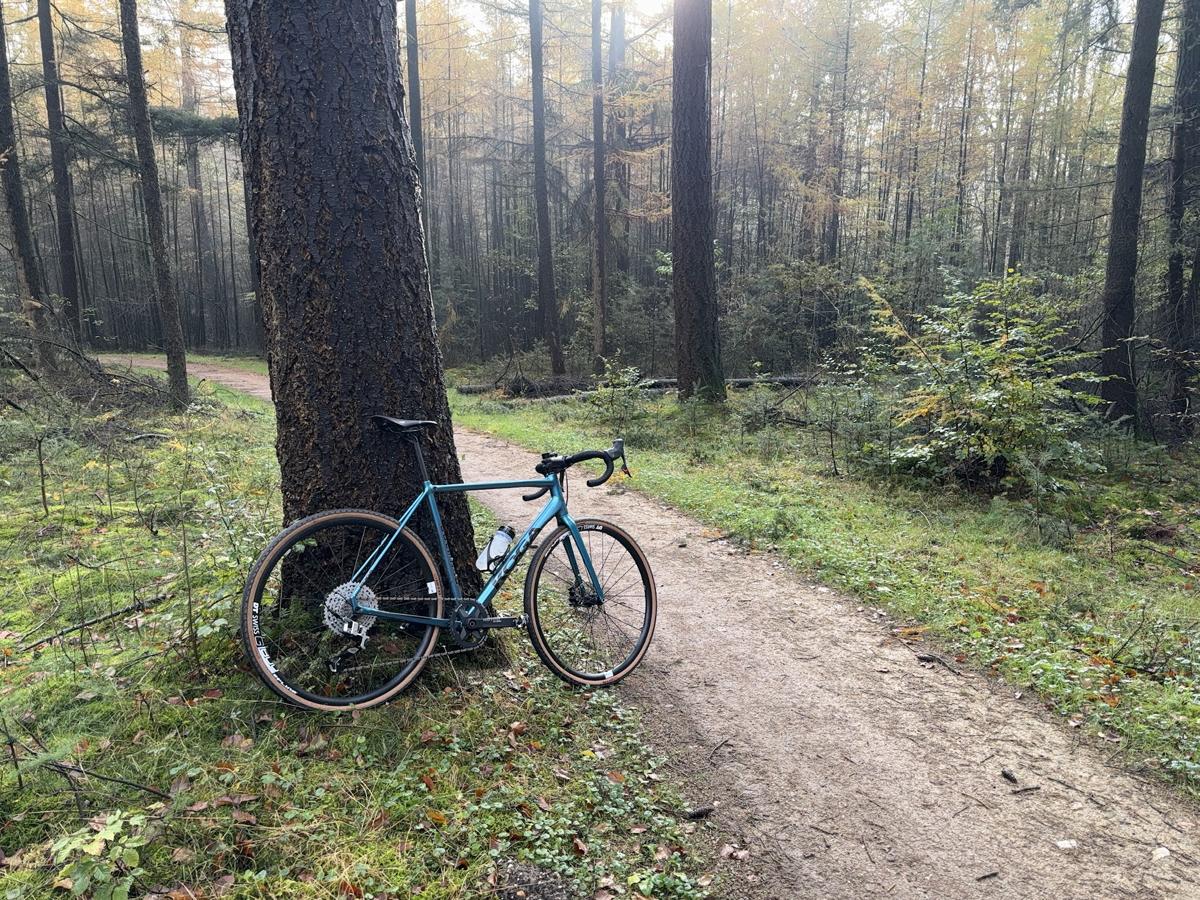
What exactly was sold
Read the headlines and you would think Batavus and Koga simply carry on. That is true, but look closely at what was bought. Dutech took over the brands, the IT systems and the factory in Hungary. For Winora and Haibike it was the brands, part of the inventory, the technical know-how and 87 of the original 187 employees.
What did not come along: the Dutch stock, which went to 12GO Biking. And a large part of the people. Many experienced Accell employees, including those at the brands and at Juncker Bike Parts, now work elsewhere. They were exactly the ones who knew the dealers by name.
That is the essence of an asset deal. You buy a name, a factory and a database. You do not buy relationships. Those you have to rebuild.
The dealer pays the bill for the uncertainty
A customer with a Batavus or Babboe with a broken battery does not go to the trustee or to Singapore. They go to their bike shop. The dealer handles the questions, assesses the claim and hunts for parts. Often without knowing whether they will ever be reimbursed.
That costs time and money in a workshop that is already full, in a year when margins are under pressure. On top of that, independent dealers have to compete with a large player that took over the entire stock at a sharp price.
In this chain, the dealer is the brand’s calling card. Now they are also paying for a problem they did not cause. That is not sustainable.
What new owners must do in the first 100 days
Dutech says stabilising things with employees, dealers and suppliers is its first priority. Good. But dealers do not want a press release, they want certainty. In my view, three things need to happen now:
- A clear warranty scheme with retroactive effect. Including bikes sold before the takeover. Who pays the claim, within what period and how do you submit it?
- Guaranteed supply of parts. Batteries, motors and brand-specific parts: make visible what is available and when. A workshop cannot plan on hope.
- A fixed point of contact per region. A name and a phone number. Someone who calls back. That is how trust works in this industry.
Without these three steps, dealers will not pre-order for 2027. And without pre-orders there is no restart, just a brand on paper.
Supplier risk belongs on the dealer’s agenda
The lesson is not only for the new owners. Dealers can learn from this too. Many shops had a large share of their revenue with one group. When that group fell over, part of their shop fell over with it. Ask yourself three questions:
- Spread: what share of your revenue and workshop hours depends on one supplier? And what happens if that supplier stops tomorrow?
- Contract terms: what does your dealer agreement say about warranty, returns and parts if the supplier is sold or goes bankrupt?
- Financial health: do you track how your suppliers are doing? Signals such as slower deliveries, stricter payment terms and departing account managers are often visible well in advance.
Supplier risk is not a topic for the buyer alone. It belongs in your company’s strategy, just like margin and stock.
Business customers are watching
In the business market this matters even more. Lease companies, fleet managers and governments do not buy a bike, they buy certainty. A bike that stands still costs their customer money.
Tenders increasingly ask about continuity: how long are parts available, who does the service and what happens if a supplier drops out? A brand that has just changed owners and has no good answer to that scores poorly. In the tender for speed pedelecs for the Dutch police, this was an important part too.
So for brands and dealers growing in the business market: a change of owner without safeguards costs you tenders. Have your continuity story ready before the customer asks for it.
Win-win as the starting point
I hope the new owners succeed. Batavus, Koga and Sparta are brands with history and loyal customers. But a takeover only succeeds when everyone involved comes out better: the owner, the dealer and the end customer.
The owner needs the dealer for sales and service. The dealer needs a reliable supplier. And the customer just wants to ride. Whoever gets that right can make this restart a success. Whoever only buys the name will notice soon enough in the sales figures.
Are you a dealer who wants to take a hard look at your brand portfolio and supplier risk? Or a (new) brand owner who wants to regain the trust of independent dealers? I can help as an advisor or take on the project (working with me). Book an intro call
Sources
- NieuwsFiets: Kogel door de kerk: Accell-merken starten door (Dutch)
- NieuwsFiets: DuTech neemt ook Winora en Haibike over van Accell (Dutch)
- BIKE Magazin: Tenways takes over Sparta
- DutchNews: Uncertain future for Dutch bike brands after Accell goes under
Johannes de Bruin helps companies in the cycling industry grow through The Great Ride, with strategic advice, project management and partnerships. More about me